French café tucked in Ginza
The Sound Beneath the Silence
Apr 15, 2025
Luis Nofrietta
The Sound Beneath the Silence
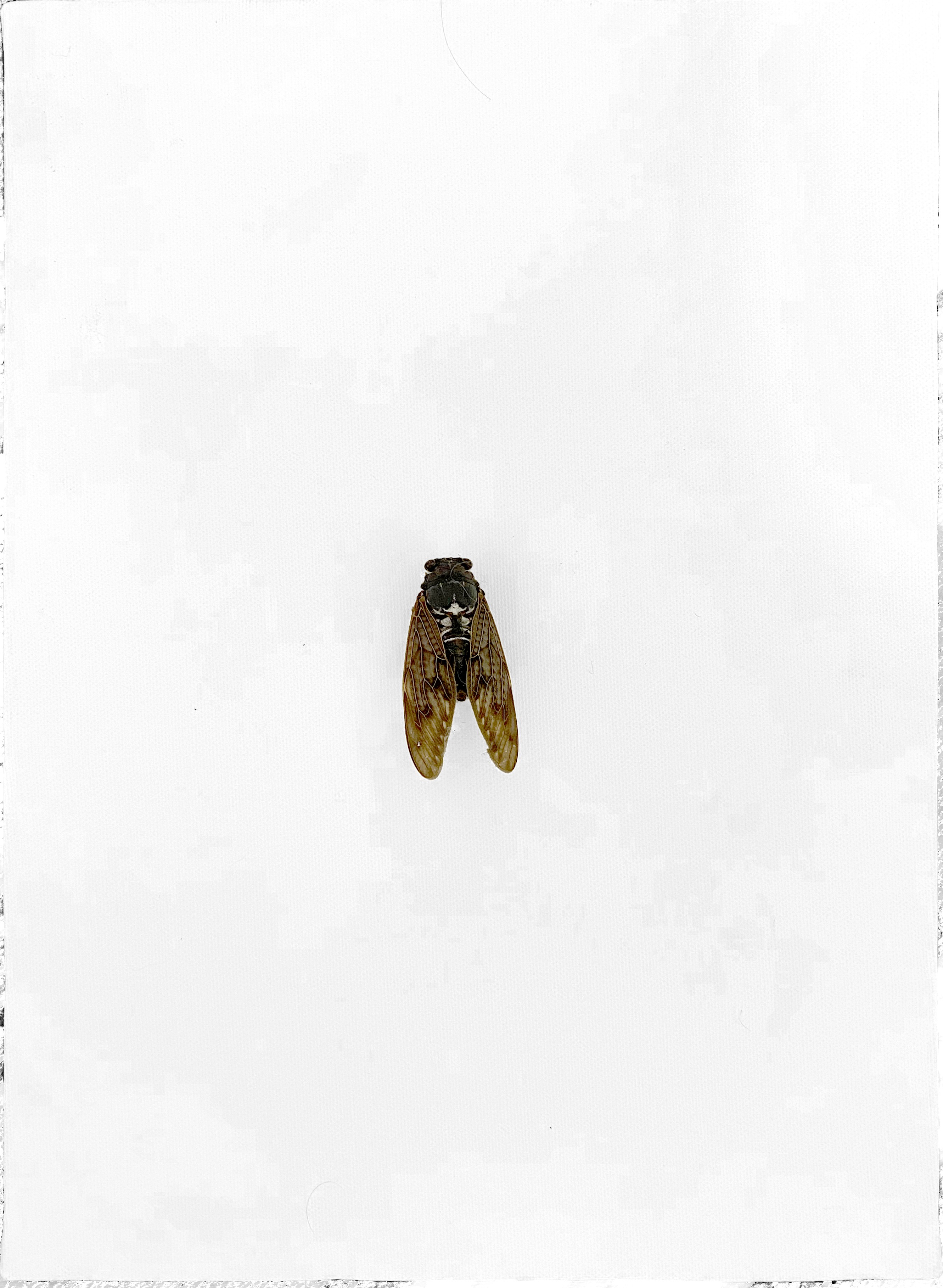
There’s a small French café tucked into one of Ginza’s quieter corners. It doesn’t call attention to itself—just a few outdoor tables, shaded by a canvas awning, the air humming with heat and the low murmur of passersby. That summer, the cicadas shrieked as if the sky itself were burning. Their sound poured from the trees like static, indifferent and ancient. The city moved forward, unaware. But for us, time slowed to a fragile stillness.
We -me and her, I abstain from saying her name for which I hold to closely- were sitting outside, watching the crowd shift past us in waves, dressed in our summer yukatas. I was holding a cappuccino—too hot for the season, but something in me needed that warmth, that familiarity. We were supposed to catch a ferry later that afternoon, and I had planned it all so carefully—except for the one thing that mattered. I had forgotten the tickets.
The realization hit me like a wave. A knot in the stomach, the tightening of the throat, the mind racing with logistics and regret. I must have apologized again and again. My voice must have sounded small—embarrassed, disappointed, ashamed. But she didn’t scold me. She didn’t flinch.
She smiled.
“Don’t worry,” she said. “It’s okay. We’re already here.”
And with those words, the panic loosened. We were already there. The café. The heat. The sound of cicadas in the trees. The city didn’t pause, but we did. And in that pause, something quiet and rare emerged: grace. The kind of grace that expects nothing, forgives everything, and holds space for mistakes without tallying them.
We left the café and walked to the ferry station. The cicadas followed, their chorus unbroken. At the counter, she gently took the lead—calmly, fluently explaining everything in Japanese. I stood beside her, silent, grateful, still clutching the weight of my inadequacy. She bought two new tickets without hesitation. No complaint. No need for repayment.
Onboard the ship, another quiet moment unfolded. Earlier that week, I had called the cruise line to place a dinner order, using the few phrases I knew in Japanese. I had wanted to surprise her. But when the food arrived—too much for just the two of us—we both realized my phone order had gone wildly overboard. It would’ve been funny, if it hadn’t felt so deeply like failure.
But she smiled again.
“It’s okay,” she said. “You’re learning. Mistakes happen.”
And together, without a second thought, we offered the extra meals to the table next to us. Strangers accepted our awkward generosity, and something about it felt right. It turned a mistake into a moment. A cultural slip into a gesture of kindness. She didn’t laugh at me. She made it feel natural, human, even beautiful.
I’ve come to believe that real love—the kind that doesn’t need to name itself—is made of moments like these. Not grand declarations, but quiet acts of understanding. Of seeing someone’s clumsy humanity and choosing to stay.
If I were to think of it through Schopenhauer’s eyes, I might say the Will was present there too—that blind force pushing me toward perfection, toward control, toward performance. But it didn’t win that day. Grace did. Forgiveness did. And in her presence, I felt the rarest thing: safe.
Now when I pass that café in Ginza, I don’t go in. I just slow down. I look at the empty chairs. I remember the hum of cicadas, the sound of her voice, the softness of her smile.
Some regrets linger with sharp edges. But others return like a room inside you that still smells of roasted coffee and wet pavement. A memory that doesn’t ache—it hums. It stays.
If I could go back—not to correct the mistake, but to live that gentleness again—I wouldn’t remember the boat.
I’d remember her saying,
“It’s okay. You’re learning. And we’re already here.”
